Currently Empty: $0.00



5 Essential Tailoring Skills Every Aspiring Fashion Designer Should Learn
Fashion design is often seen as a world of creativity, colors, and trends. But behind every beautifully designed outfit is a strong foundation of tailoring skills. True fashion designers are not just artists — they are skilled craftsmen who understand structure, fit, fabric, and finishing.
If you are an aspiring fashion designer, mastering tailoring is the first step toward building a successful career in the fashion industry. These essential skills will shape your confidence, improve your quality, and help you stand out professionally.
1. Accurate Body Measurement
The heart of tailoring lies in achieving the perfect fit. No matter how attractive a design looks on paper, it must complement the body beautifully when worn. Understanding body proportions and garment balance allows a designer to create clothing that enhances the wearer’s appearance rather than overpowering it.
A skilled tailor develops an eye for detail. They understand how a small adjustment can transform the overall look of a garment. With practice, you begin to recognize how different body shapes require subtle modifications in structure and design. This ability to personalize fit is what separates professional designers from beginners. When clients experience garments that feel made exclusively for them, they return again and again.
A skilled tailor develops an eye for detail. They understand how a small adjustment can transform the overall look of a garment. With practice, you begin to recognize how different body shapes require subtle modifications in structure and design. This ability to personalize fit is what separates professional designers from beginners. When clients experience garments that feel made exclusively for them, they return again and again.
2. Strong Foundation in Pattern Drafting
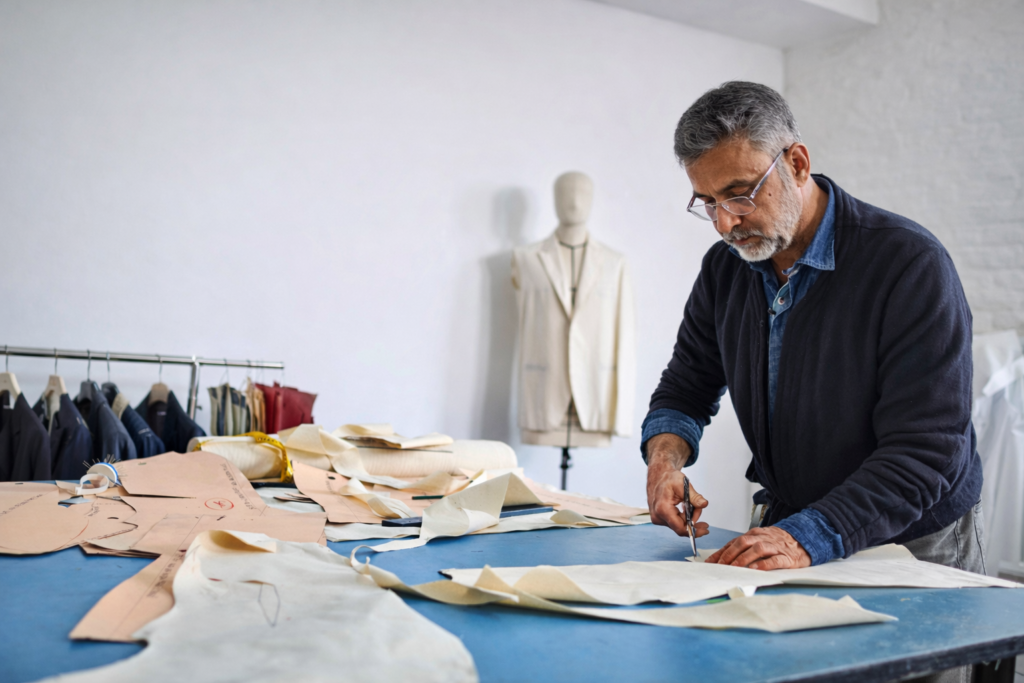
Pattern drafting is where creativity meets technical precision. It is the stage where ideas are transformed into structured shapes that can be stitched into real garments. Without proper pattern knowledge, even the most imaginative designs can fail during execution.
Learning how patterns are constructed gives you full creative control. Instead of relying on ready-made templates, you gain the ability to design from scratch. This freedom allows you to experiment confidently with new silhouettes, modern cuts, and customized designs. A designer who understands patterns thoroughly can avoid costly mistakes, reduce fabric waste, and produce garments that maintain their shape and elegance.
Learning how patterns are constructed gives you full creative control. Instead of relying on ready-made templates, you gain the ability to design from scratch. This freedom allows you to experiment confidently with new silhouettes, modern cuts, and customized designs. A designer who understands patterns thoroughly can avoid costly mistakes, reduce fabric waste, and produce garments that maintain their shape and elegance.
3. Understanding Fabric Behavior
Fabric is not just material — it is the soul of a garment. Every fabric behaves differently, and recognizing those differences is crucial for tailoring success. Some fabrics flow softly, some hold structure firmly, and others require delicate handling.
When you understand how fabric drapes, stretches, or responds to stitching, you can choose the right material for each design. This knowledge helps prevent issues like pulling seams, uneven falls, or poor finishing. An experienced designer does not select fabric based only on appearance. They consider comfort, durability, climate suitability, and overall design intention. This thoughtful approach ensures that the final garment is both beautiful and practical.
When you understand how fabric drapes, stretches, or responds to stitching, you can choose the right material for each design. This knowledge helps prevent issues like pulling seams, uneven falls, or poor finishing. An experienced designer does not select fabric based only on appearance. They consider comfort, durability, climate suitability, and overall design intention. This thoughtful approach ensures that the final garment is both beautiful and practical.
4. Clean Stitching and Professional Finishing
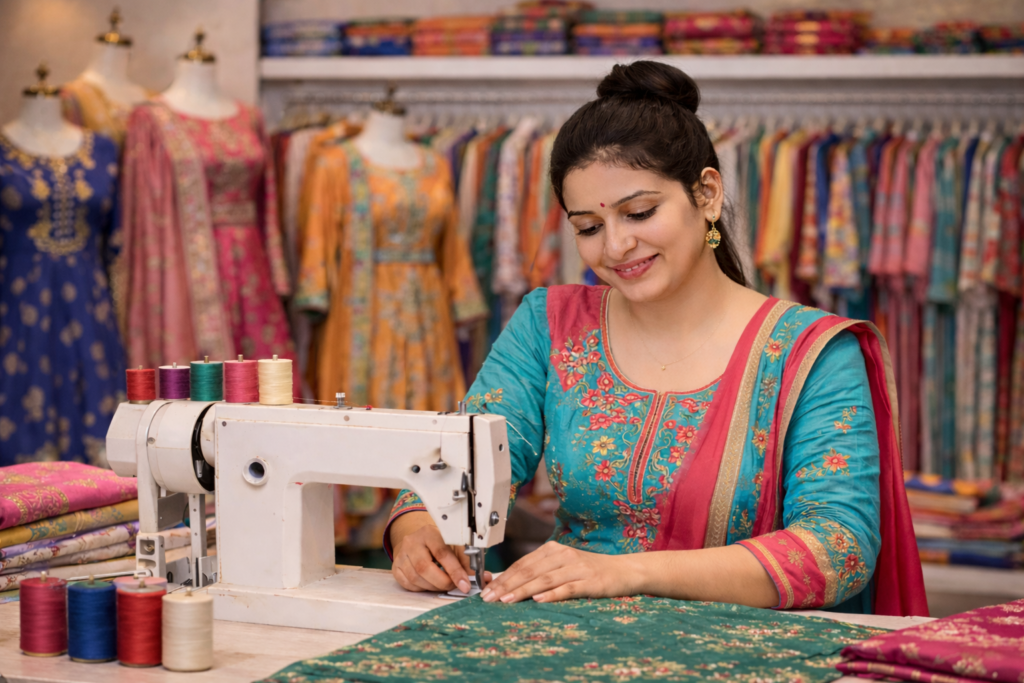
Quality stitching defines the professionalism of a garment. Even a simple design can look luxurious when stitched and finished neatly. Straight seams, smooth edges, and balanced construction show discipline and care in craftsmanship.
Professional finishing gives garments a refined look inside and out. It enhances durability and increases the lifespan of the clothing. Clients may not always understand technical details, but they can instantly recognize neatness and quality.
Developing patience during stitching and focusing on consistency helps you build a reputation for excellence. Over time, this attention to detail becomes your signature style.
Professional finishing gives garments a refined look inside and out. It enhances durability and increases the lifespan of the clothing. Clients may not always understand technical details, but they can instantly recognize neatness and quality.
Developing patience during stitching and focusing on consistency helps you build a reputation for excellence. Over time, this attention to detail becomes your signature style.
5. Confidence in Fitting and Adjustments
No garment is complete without proper fitting. The fitting stage allows a designer to refine structure and enhance comfort. It is during this process that small corrections make a big difference.
An aspiring fashion designer must learn to see beyond the first trial. Adjusting balance, improving fall, and ensuring comfort are essential parts of the tailoring journey. When garments fit flawlessly, they not only look elegant but also make the wearer feel confident.
The ability to handle alterations calmly and professionally also strengthens client relationships and builds trust.
Building a Strong Future in Fashion
Tailoring is more than stitching fabric together — it is about precision, creativity, patience, and passion. While trends may change every season, strong tailoring skills remain timeless.
,br/>
When you invest time in mastering these foundational skills, you prepare yourself for long-term success. You gain independence in design, confidence in execution, and the ability to deliver high-quality garments consistently.
Every successful fashion designer begins with a strong tailoring foundation. With dedication and proper training, you can transform your passion for fashion into a rewarding and respected profession.